

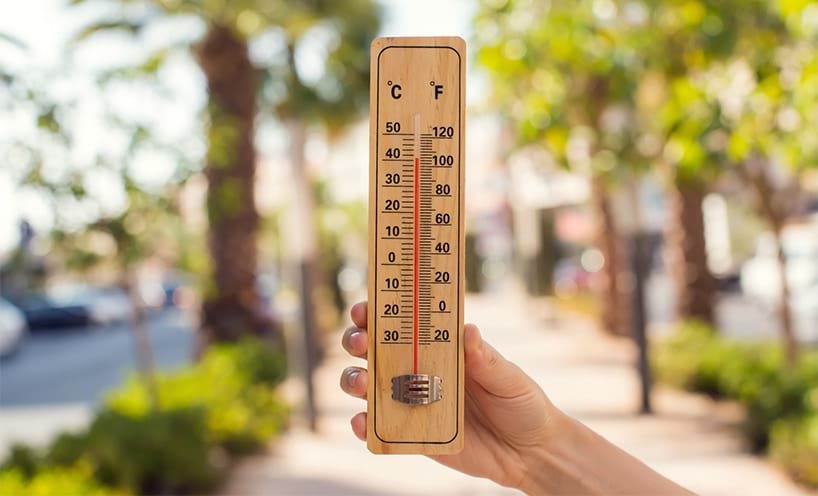
Summer brings increased risks from extreme heat, high UV levels, bushfires and grassfires, and severe weather. Approved providers and services must make reasonable preparations to protect children from harm and hazards and ensure their policies, procedures and emergency arrangements meet applicable requirements under the National Law and National Regulations.
As summer approaches, all service types should review their risk assessments, emergency management procedures and daily practices to ensure they reflect the risks relevant to their location, operating environment and the children in their care.
This includes considering service-specific arrangements, such as coordination between outside school hours care (OSHC) services and schools, and the responsibilities of family day care (FDC) approved providers for educators operating in bushfire or grassfire risk areas.
Read the prepare for bushfire and grassfire risks article in this newsletter.
Sun safety and UV protection
Sun protection should be based on the UV level rather than temperature alone. Protection measures are recommended whenever the UV Index is 3 or above. Most days in summer are well above 3.
- Review your sun protection policy and procedures and make sure they reflect current practice.
- Ensure outdoor areas provide adequate shade and consider how shade changes throughout the day and across the season.
- Include sun exposure and heat hazards in relevant risk assessments including outdoor play, excursions, transportation and water-based activities.
Check UV levels every day
Check local UV forecasts and sun protection times as part of daily planning. The Bureau of Meteorology UV forecast provides current UV information. Services can use the SunSmart app to stay up to date with current UV ratings.
Use a combination of summer clothing that covers as much skin as possible and wide brimmed hats. Encourage families to provide suitable spare clothing for water play, and if practical, sunglasses labelled AS1067 – these can help protect children’s eyes from harmful UV.
For babies under 6 months, physical protection such as shade, protective clothing and hats should be the primary protection. Avoid exposing babies to direct sunlight where possible. SunSmart has a range of information sheets to share with families and build awareness.
Plan for extreme heat
Severe heatwaves can be dangerous, especially for children and babies. During hot weather and heatwaves, services should actively safeguard against heat-related risks. This includes:
- using fans or air-conditioners to keep cool, where available
- staying hydrated by drinking water regularly
- staying cool indoors
- checking in on staff and children under your care
- rescheduling outdoor or physical activities where possible.
Read about staying safe and well during fire danger days and extreme heat.
Further information and resources
- ACECQA Preparing NQF policies and procedures
- ACECQA Quality Area 3 – providing appropriate outdoor space
- VicEmergency information and warnings
- Department of Education Bushfire At-Risk Register (BARR)
- Department of Education Schools and early childhood services at risk of grassfire - Category 4
- VECRA Emergency management in early childhood services.
Updated