

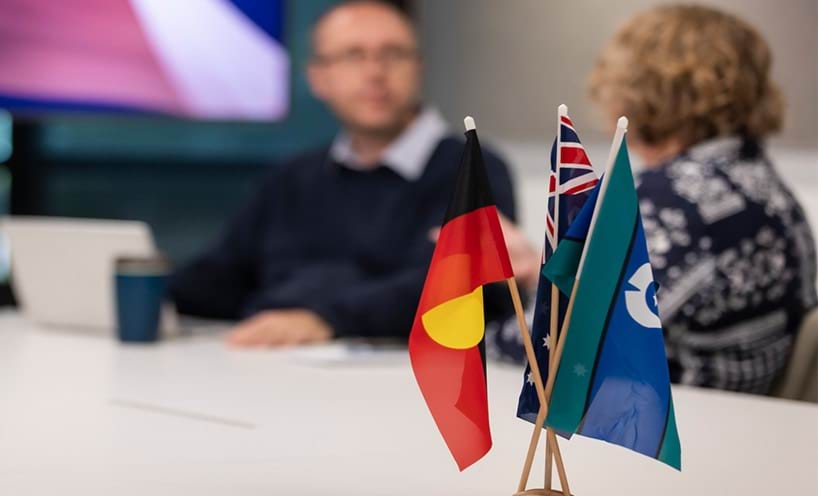
Under the Victorian Child Safe Standards, all Victorian early childhood education and care services need to ensure the diverse and unique identities and experiences of Aboriginal children and young people are respected and valued. The National Quality Standard similarly contains a range of areas intended to ensure the culture, values and beliefs of families are respected.
Recent changes to the Education and Training Reform Act 2006 further recognise the rights and unique status of First Nations people, including in early childhood education settings.
The changes reflect Victoria’s existing commitment to First Nations self-determination – so that First Nations people have a say in decisions that affect them.
The changes became law on 5 August 2026. They were developed with input from Aboriginal Community Controlled Organisations to make sure they reflect what First Nations people want.
What has changed?
The changes reaffirm that education settings across Victoria – including early childhood education settings – must be culturally safe, inclusive and free of racism.
To help make this happen, from 1 August 2027, non-mandatory Aboriginal cultural understanding training will be available to the education workforce.
This training is designed to help educators put First Nations histories, cultures, languages and perspectives at the centre of what they teach.
Secretaries of Victorian Government education and training departments must also now consult with First Nations representatives about policies and measures that affect First Nations learners.
These are some of the key changes now in place.
What do the amendments mean for me and my work?
Everyone working in Victoria’s education system should be aware of the changes, including early childhood staff. Those working in early childhood services should consider and discuss how they support First Nations recognition, decision making and cultural safety.
It is important to understand that these changes to the law do not mean a change in education policy. They also do not mean more regulatory requirements or burden. Instead, they put into law Victoria’s existing expectations, policies and standards about First Nations education.
Existing policies include:
- Marrung 2026-2036 First Nations Education Strategy
- Victorian Early Years Learning and Development Framework
First Nations cultural rights and the right to cultural safety are also in the Victorian Child Safe Standards.
Where can I learn more?
Facilitated professional learning providing practical guidance to strengthen cultural safety and inclusive learning: The Bringing Change Together: First Nations learning suite
The Victorian Aboriginal Education Association Incorporated website includes these useful resources:
- New Koorie Early: Years Best Practice & Protocols Guide
- Walking Together an inclusion and protocols resource for early childhood education and care services
- Early Childhood Activities
Department of Education guidance on supporting First Nations learners in early childhood education settings:
- Early childhood education programs supporting Aboriginal children
- Early Years Engagement Program supporting culturally safe and inclusive kindergarten environments
- Child care and kindergarten services operated by and for First Nations communities.
The Education and Training Reform Act 2006 including the new amendments.
Updated