

Children’s Week is a time to celebrate children and their rights.
In 2026, Children’s Week will run from Saturday 24 October to Sunday 1 November.
This year’s theme is ‘Children have the right to use their own language, celebrate their culture and practice their religion.’
At Froebel Fitzroy North, this theme is part of everyday life.
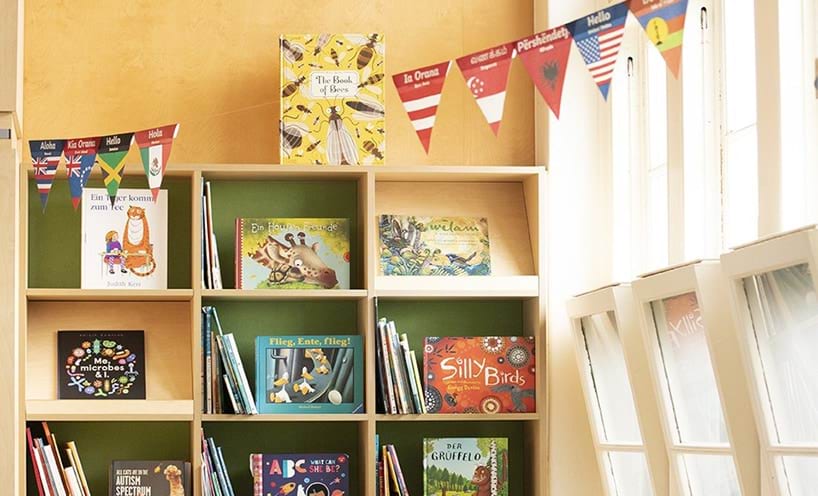
The service has a German language program across its nursery, toddler and kindergarten programs. German-speaking educators work alongside English-speaking educators throughout the service.
German is part of the children’s day, rather than taught as a separate lesson.
Children hear German from the moment they arrive. It might be a greeting, song, story or new word. They also hear German during everyday routines such as handwashing, mealtimes, packing away and getting ready for rest.
‘Families often comment that haende waschen and aufraeumen are the first German phrases the children begin to use at home, thanks to our favourite hand washing and packing up songs,’ says Assistant Director Merryn.
Some English-speaking families have started using German words at home, such as tschüss when saying goodbye or danke instead of thank you.
Froebel also celebrates German culture through events such as its Karneval Parade and Sankt Martin Lantern Walk. These events give families with German connections a chance to share their culture with the wider community.
Meet Peter Papagei
Then there is Peter Papagei, a colourful toy parrot who came all the way from Germany to join Froebel Fitzroy North.
Peter has quickly become a favourite with the children. Each week, a different child takes Peter home to share their family experiences and show him the sights of Melbourne.
Peter was first introduced by one of Froebel’s German-speaking educators. He helps children connect language and culture and their own lives and families.
Children do not need to speak German perfectly. There is also no expectation for children or families to speak German when they join Froebel. Children can listen, watch and join in when they are ready. The aim is to help them enjoy the language and become curious about other cultures and ways of communicating.
‘We often see children playing together, some speaking in German, others responding in English, and neither seems concerned that they are using different languages … they simply listen, understand, respond and continue playing. They find their own ways to connect, share ideas and understand one another,’ says Merryn.
Supporting children to feel included
Froebel’s approach supports Child Safe Standard 5: Respecting diverse needs and being inclusive in early childhood services.
The Standard encourages services to respect and include children’s different cultures, languages and needs in everyday practice.
Children’s Week is a good time to think about how your service can do this too.
Could you include a song, story, language, celebration or activity that reflects the children and families in your service?
Small things can help children feel that their language, culture and identity are valued.
Thank you to teachers and educators
Children’s Week also coincides with World Teachers’ Day on Friday 30 October.
It is a chance to thank the teachers and educators who help children learn, grow and feel that they belong.
This Children’s Week, we encourage services to celebrate the children in their care, recognise their cultures and languages, and thank the educators who help every child feel welcome.
Updated