

All early childhood services must have an emergency and evacuation policy and procedures.
Approved providers must:
- make sure their services conduct a risk assessment to identify all potential emergencies
- have clear emergency and evacuation procedures including for potential medical incidents and psychosocial hazards
- display an emergency and evacuation floor plan and instructions near each exit
- make sure their services rehearse emergency and evacuation procedures every 3 months and keep a record of the rehearsals.
Emergency management requirements
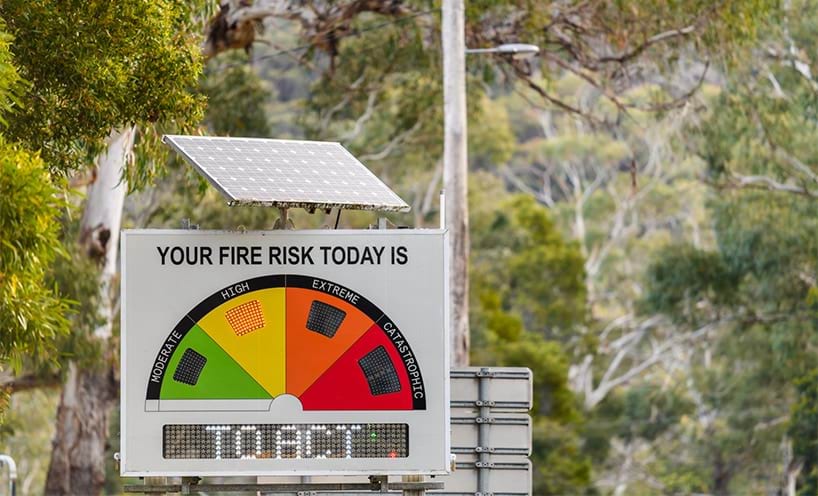
All providers and services must plan for bushfires and grassfires as part of their emergency management requirements.
Some services are at higher risk of bushfires and grassfires due to their location.
To manage risk, these services:
- are listed on the Department of Education’s Bushfire At-Risk Register (BARR) or Category 4 list
- have service approval conditions requiring them to close on days forecast as having a Catastrophic Fire Danger Rating in their Fire Weather District
- services co-located with schools at very high bushfire risk are encouraged to align pre-emptive plans.
Services on the BARR or Category 4 list must understand and meet the additional requirements that apply to them.
Read about managing bushfire and grassfire risks in early childhood services.
Emergency Management Plans (EMP)
Services must have an Emergency Management Plan (EMP) that documents and guides their emergency management arrangements.
You do not need to submit your EMP to VECRA. However, it must be readily available for inspection by an authorised officer during a service visit.
Your emergency management plan (EMP) must:
- relate to the service’s location and operating environment
- include the service’s emergency contacts details
- be reviewed at least once a year
- be kept up to date and available to VECRA on request
- outline procedures for:
- monitoring and managing bushfire and grassfire risks and events
- identifying and managing planned or unplanned closures
- notifying families
- reviewing and updating the plan.
Family day care services
Individual family day care (FDC) service sites are not assessed for bushfire or grassfire risk as part of the annual assessments and are not included on the BARR or Category 4 list.
Approved providers of FDC services are responsible for managing bushfire and grassfire risks affecting their educators and children attending their services. They must:
- assess the fire danger risk to educators and children
- manage identified fire risks.
The Country Fire Authority (CFA) provides information to help assess fire risk.
Outside School Hours Care and other services located on school sites
If a service is on a school site, we suggest the service work with the school to align emergency arrangements.
Even when plans are aligned with the school, OSHC and other services on school sites must still:
- complete a separate risk assessment
- maintain their own emergency contacts.
This is especially important for OSHC and vacation services, as school contacts may not be available after hours or during holidays.
Keep emergency contact details up to date
All services should check and update their emergency and after-hours contact details so VECRA can contact them during an emergency.
Contact details in the EMP should also be current.
How to update your contact details:
- National Quality Framework (NQF) services must update their details through the NQA ITS portal.
- Children’s services (limited hours and occasional care services) must:
- complete the AS10: Notification of change to information about an approved children’s service form
- email the completed form to VECRA licensing.
More information
Updated