

- Published by:
- Victorian Early Childhood Regulatory Authority
- Date:
- 19 Oct 2026
The VECRA newsletter is sent to all approved providers, services, key stakeholders and subscribers. It is open to anyone interested in the regulation of early childhood education in Victoria.
Celebrating Children's Week 2026

Children’s Week is a time to celebrate children and their rights.
In 2026, Children’s Week will run from Saturday 24 October to Sunday 1 November.
This year’s theme is ‘Children have the right to use their own language, celebrate their culture and practice their religion.’
At Froebel Fitzroy North, this theme is part of everyday life.
The service has a German language program across its nursery, toddler and kindergarten programs. German-speaking educators work alongside English-speaking educators throughout the service.
German is part of the children’s day, rather than taught as a separate lesson.
Children hear German from the moment they arrive. It might be a greeting, song, story or new word. They also hear German during everyday routines such as handwashing, mealtimes, packing away and getting ready for rest.
‘Families often comment that haende waschen and aufraeumen are the first German phrases the children begin to use at home, thanks to our favourite hand washing and packing up songs,’ says Assistant Director Merryn.
Some English-speaking families have started using German words at home, such as tschüss when saying goodbye or danke instead of thank you.
Froebel also celebrates German culture through events such as its Karneval Parade and Sankt Martin Lantern Walk. These events give families with German connections a chance to share their culture with the wider community.
Meet Peter Papagei
Then there is Peter Papagei, a colourful toy parrot who came all the way from Germany to join Froebel Fitzroy North.
Peter has quickly become a favourite with the children. Each week, a different child takes Peter home to share their family experiences and show him the sights of Melbourne.
Peter was first introduced by one of Froebel’s German-speaking educators. He helps children connect language and culture and their own lives and families.
Children do not need to speak German perfectly. There is also no expectation for children or families to speak German when they join Froebel. Children can listen, watch and join in when they are ready. The aim is to help them enjoy the language and become curious about other cultures and ways of communicating.
‘We often see children playing together, some speaking in German, others responding in English, and neither seems concerned that they are using different languages … they simply listen, understand, respond and continue playing. They find their own ways to connect, share ideas and understand one another,’ says Merryn.
Supporting children to feel included
Froebel’s approach supports Child Safe Standard 5: Respecting diverse needs and being inclusive in early childhood services.
The Standard encourages services to respect and include children’s different cultures, languages and needs in everyday practice.
Children’s Week is a good time to think about how your service can do this too.
Could you include a song, story, language, celebration or activity that reflects the children and families in your service?
Small things can help children feel that their language, culture and identity are valued.
Thank you to teachers and educators
Children’s Week also coincides with World Teachers’ Day on Friday 30 October.
It is a chance to thank the teachers and educators who help children learn, grow and feel that they belong.
This Children’s Week, we encourage services to celebrate the children in their care, recognise their cultures and languages, and thank the educators who help every child feel welcome.
Changes to Working with Children (WWC) Connect

Keeping children safe is a shared responsibility.
Victoria is reforming the Working with Children (WWC) Check to strengthen safeguards for children and help organisations make safer decisions about the people they engage to work or volunteer with children.
From Monday 19 October 2026, the Working with Children (WWC) Connect online system has been introduced, and mandatory online child safety training is now part of the WWC Check application and renewal process. This training is in addition to the National Child Safety and Victorian PROTECT module.
To comply with these changes, approved providers and services should:
1. Check use the WWC status checker to verify your workers’ WWC clearance.
2. Connect when ready to formally engage, connect them to your organisation using Working with Children Connect.
3. Record keep appropriate records to show you have completed the required checks and connection.
4. Maintain keep your WWC Connect records up to date as workers and volunteers join, leave or their details change.
For more information visit the Changes to the Working with Children Check.
WWC Connect system and the Early Childhood Worker Register
Although the Victorian WWC Connect system is separate from the National Early Childhood Worker Register, approved providers can extract information from the National Early Childhood Worker Register to upload to the WWC Connect, which will streamline the bulk upload process.
How to export workforce information:
- approved providers can export their workforce information to an Excel file through the NQA ITS portal
- approved providers should check their worker details. Make sure the information in the National Early Childhood Worker Register is accurate, complete and up to date.
- copy across the required WWC Connect information. The exported file has separate tabs for positions, background checks and addresses. Copy the required worker details such as:
- family name
- Victorian Working with Children (WWC)
- Victorian Institute of Teaching (VIT) number, start date, contact details and address, into the WWC.
- Tidy the file – keep one row per worker, even if they work across several of your services. Use the formats in the WWC Connect template and complete the fields the register doesn’t hold.
- Double check and upload your file. Confirm all the data is correct. Then upload the file through WWC Connect using your organisation’s Service Victoria business profile.
Read the frequently asked questions about using the system.
New resources to support quality practice in school-aged services
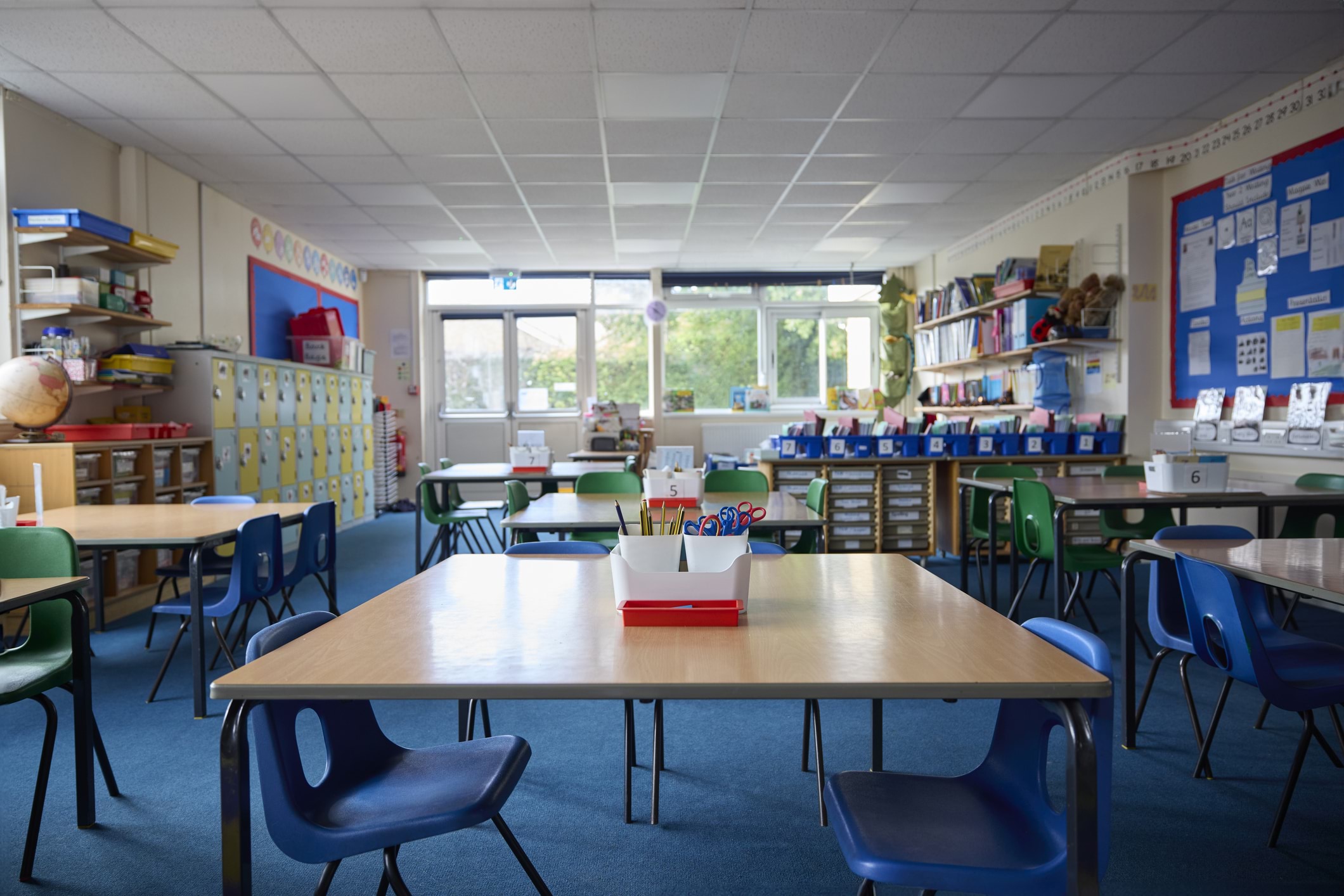
ACECQA has released new resources to support quality practice in school-aged services, including outside school hours care (OSHC) and family day care (FDC) for school-aged children.
The new material includes:
- 5 professional e-learning modules focused on understanding children's and young people's behaviour
- practical resources to support reflection, planning and responsive practice
- resources to strengthen partnerships between schools and OSHC services
- updated OSHC assessment and rating guidance in the Guide to the National Quality Framework (NQF).
The resources are for:
- educators
- approved providers
- service leaders
- schools
- regulatory authorities.
Professional e-learning modules and resources
The 5 professional e-learning modules and supporting resources are useful for all school-aged services including:
- Outside school hours care (OSHC) services
- Family day care (FDC) services that educate and care for school-aged children.
The modules focus on:
- knowing the child or young person and understanding how relationships and experiences can influence children’s behaviour.
- creating the learning environment and how this can support positive behaviour.
- factors influencing behaviour.
Summer safety at your service

Summer brings increased risks from extreme heat, high UV levels, bushfires and grassfires, and severe weather. Approved providers and services must make reasonable preparations to protect children from harm and hazards and ensure their policies, procedures and emergency arrangements meet applicable requirements under the National Law and National Regulations.
As summer approaches, all service types should review their risk assessments, emergency management procedures and daily practices to ensure they reflect the risks relevant to their location, operating environment and the children in their care.
This includes considering service-specific arrangements, such as coordination between outside school hours care (OSHC) services and schools, and the responsibilities of family day care (FDC) approved providers for educators operating in bushfire or grassfire risk areas.
Read the prepare for bushfire and grassfire risks article in this newsletter.
Sun safety and UV protection
Sun protection should be based on the UV level rather than temperature alone. Protection measures are recommended whenever the UV Index is 3 or above. Most days in summer are well above 3.
- Review your sun protection policy and procedures and make sure they reflect current practice.
- Ensure outdoor areas provide adequate shade and consider how shade changes throughout the day and across the season.
- Include sun exposure and heat hazards in relevant risk assessments including outdoor play, excursions, transportation and water-based activities.
Check UV levels every day
Check local UV forecasts and sun protection times as part of daily planning. The Bureau of Meteorology UV forecast provides current UV information. Services can use the SunSmart app to stay up to date with current UV ratings.
Use a combination of summer clothing that covers as much skin as possible and wide brimmed hats. Encourage families to provide suitable spare clothing for water play, and if practical, sunglasses labelled AS1067 – these can help protect children’s eyes from harmful UV.
For babies under 6 months, physical protection such as shade, protective clothing and hats should be the primary protection. Avoid exposing babies to direct sunlight where possible. SunSmart has a range of information sheets to share with families and build awareness.
Plan for extreme heat
Severe heatwaves can be dangerous, especially for children and babies. During hot weather and heatwaves, services should actively safeguard against heat-related risks. This includes:
- using fans or air-conditioners to keep cool, where available
- staying hydrated by drinking water regularly
- staying cool indoors
- checking in on staff and children under your care
- rescheduling outdoor or physical activities where possible.
Read about staying safe and well during fire danger days and extreme heat.
Further information and resources
- ACECQA Preparing NQF policies and procedures
- ACECQA Quality Area 3 – providing appropriate outdoor space
- VicEmergency information and warnings
- Department of Education Bushfire At-Risk Register (BARR)
- Department of Education Schools and early childhood services at risk of grassfire - Category 4
- VECRA Emergency management in early childhood services.
Prepare for bushfire and grassfire risks
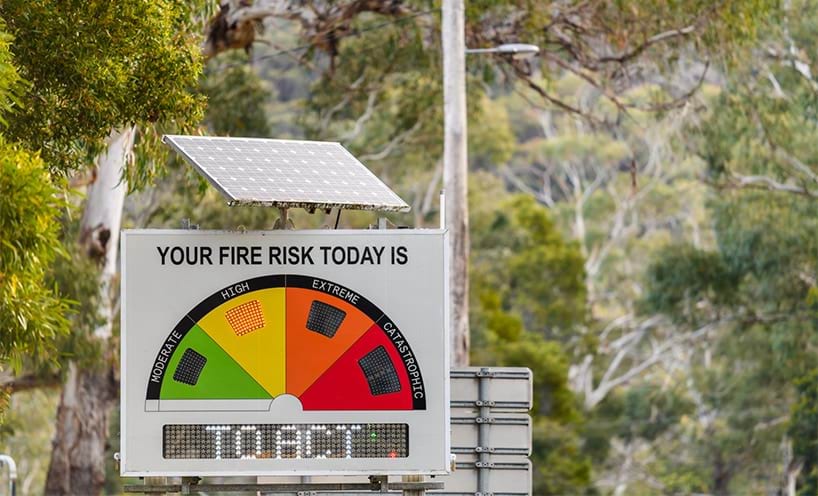
All early childhood services must have an emergency and evacuation policy and procedures.
Approved providers must:
- make sure their services conduct a risk assessment to identify all potential emergencies
- have clear emergency and evacuation procedures including for potential medical incidents and psychosocial hazards
- display an emergency and evacuation floor plan and instructions near each exit
- make sure their services rehearse emergency and evacuation procedures every 3 months and keep a record of the rehearsals.
Emergency management requirements
All providers and services must plan for bushfires and grassfires as part of their emergency management requirements.
Some services are at higher risk of bushfires and grassfires due to their location.
To manage risk, these services:
- are listed on the Department of Education’s Bushfire At-Risk Register (BARR) or Category 4 list
- have service approval conditions requiring them to close on days forecast as having a Catastrophic Fire Danger Rating in their Fire Weather District
- services co-located with schools at very high bushfire risk are encouraged to align pre-emptive plans.
Services on the BARR or Category 4 list must understand and meet the additional requirements that apply to them.
Read about managing bushfire and grassfire risks in early childhood services.
Emergency Management Plans (EMP)
Services must have an Emergency Management Plan (EMP) that documents and guides their emergency management arrangements.
You do not need to submit your EMP to VECRA. However, it must be readily available for inspection by an authorised officer during a service visit.
Your emergency management plan (EMP) must:
- relate to the service’s location and operating environment
- include the service’s emergency contacts details
- be reviewed at least once a year
- be kept up to date and available to VECRA on request
- outline procedures for:
- monitoring and managing bushfire and grassfire risks and events
- identifying and managing planned or unplanned closures
- notifying families
- reviewing and updating the plan.
Family day care services
Individual family day care (FDC) service sites are not assessed for bushfire or grassfire risk as part of the annual assessments and are not included on the BARR or Category 4 list.
Approved providers of FDC services are responsible for managing bushfire and grassfire risks affecting their educators and children attending their services. They must:
- assess the fire danger risk to educators and children
- manage identified fire risks.
The Country Fire Authority (CFA) provides information to help assess fire risk.
Outside School Hours Care and other services located on school sites
If a service is on a school site, we suggest the service work with the school to align emergency arrangements.
Even when plans are aligned with the school, OSHC and other services on school sites must still:
- complete a separate risk assessment
- maintain their own emergency contacts.
This is especially important for OSHC and vacation services, as school contacts may not be available after hours or during holidays.
Keep emergency contact details up to date
All services should check and update their emergency and after-hours contact details so VECRA can contact them during an emergency.
Contact details in the EMP should also be current.
How to update your contact details:
- National Quality Framework (NQF) services must update their details through the NQA ITS portal.
- Children’s services (limited hours and occasional care services) must:
- complete the AS10: Notification of change to information about an approved children’s service form
- email the completed form to VECRA licensing.
More information
Prepare for thunderstorm asthma

In Victoria the grass pollen season usually runs from October to December. During this time there is often an increase in asthma and hay fever across the state.
What is thunderstorm asthma?
Thunderstorm asthma is triggered by a combination of higher grass pollen levels and a certain type of thunderstorm.
Who is at risk?
Under these conditions, people are at higher risk of a sudden and serious asthma attack if:
- they have a history of asthma
- their asthma or hay fever is poorly treated.
Thunderstorm asthma can occur even in people who have never had asthma before. You should apply asthma first aid and get emergency help to someone who has any of these symptoms:
- wheezing
- shortness of breath
- chest tightness.
Following an up-to-date asthma action plan or hay fever treatment plan, provided by a GP or specialist, can lesson symptoms of asthma or hay fever and reduce absences from childcare services.
How to prepare
Providers must make sure their service(s) are ready for the grass pollen season by:
- downloading the VicEmergency app and setting a ‘watch zone’ for their location. This means services will receive advice and warnings about potential thunderstorm asthma events during the grass pollen season. Alternatively, the service can monitor the thunderstorm asthma forecast daily.
- confirming with families that all children with asthma have up to date:
- Asthma Action Plans
- Medical Management
- Risk Minimisation Plans.
- confirming with families that children are taking their preventative medication and bringing their inhalers to childcare
- ensuring that all staff and volunteers understand procedures for managing asthma including learning about asthma emergency first aid steps for children and for everyone
- making sure that staff and volunteers check for shortness of breath or wheezing symptoms in children and tell parents if symptoms are found
- checking that all asthma medications kept onsite are current and asking families to urgently replace any expired medication
- reviewing the service’s medical conditions policy and making sure it includes thunderstorm asthma management
- sharing information with families about thunderstorm asthma and how the service is making preparations
- documenting preparations and response strategies in the service’s Emergency Management Plan (EMP).
Ventilation and outdoor activity guidelines
Services should take extra precautions with outdoor play on days of heightened thunderstorm asthma risk.
Services should:
- avoid outdoor activities during thunderstorms or strong wind gusts
- close doors and windows to limit pollen exposure
- set air conditioners to re-circulate indoor air
- consider the appropriate use and placement of air purifiers.
At all other times, services should continue to ventilate indoor spaces with fresh air as much as possible.
Template
Services are encouraged to download the template below to share with parents and carers:
Find out more
For more information visit:
- Better Health Channel's Thunderstorm asthma (available in English and other languages). Information, videos and links to other support.
- Asthma Australia's asthma first aid for kids, preschool asthma and thunderstorm asthma.
- VECRA's managing children's medical conditions Health, safety and wellbeing in early childhood services
- ACECQA First aid qualifications and training requirements.
Access advanced child safety training: Course 5

The September edition of this newsletter included a detailed overview of mandatory child safety and child protection training. The final course in the national child safety training package is now available in Geccko.
Advanced child safety training Course 5 is mandatory for people in leadership and governance roles at early childhood services including:
- persons with management or control (PMCs)
- nominated supervisors
- persons in day-to-day charge.
The course supports leaders to build child-safe cultures, recognise and respond to safeguarding concerns and support children’s safety and wellbeing.
If you held a relevant role before 30 September 2026, you must complete the advanced training by 31 March 2027.
If you started in a relevant role on or after 30 September 2026, you must complete it within 3 months of your start date.
Learn more about national child safety training.
New reforms strengthen First Nations recognition and self-determination

Under the Victorian Child Safe Standards, all Victorian early childhood education and care services need to ensure the diverse and unique identities and experiences of Aboriginal children and young people are respected and valued. The National Quality Standard similarly contains a range of areas intended to ensure the culture, values and beliefs of families are respected.
Recent changes to the Education and Training Reform Act 2006 further recognise the rights and unique status of First Nations people, including in early childhood education settings.
The changes reflect Victoria’s existing commitment to First Nations self-determination – so that First Nations people have a say in decisions that affect them.
The changes became law on 5 August 2026. They were developed with input from Aboriginal Community Controlled Organisations to make sure they reflect what First Nations people want.
What has changed?
The changes reaffirm that education settings across Victoria – including early childhood education settings – must be culturally safe, inclusive and free of racism.
To help make this happen, from 1 August 2027, non-mandatory Aboriginal cultural understanding training will be available to the education workforce.
This training is designed to help educators put First Nations histories, cultures, languages and perspectives at the centre of what they teach.
Secretaries of Victorian Government education and training departments must also now consult with First Nations representatives about policies and measures that affect First Nations learners.
These are some of the key changes now in place.
What do the amendments mean for me and my work?
Everyone working in Victoria’s education system should be aware of the changes, including early childhood staff. Those working in early childhood services should consider and discuss how they support First Nations recognition, decision making and cultural safety.
It is important to understand that these changes to the law do not mean a change in education policy. They also do not mean more regulatory requirements or burden. Instead, they put into law Victoria’s existing expectations, policies and standards about First Nations education.
Existing policies include:
- Marrung 2026-2036 First Nations Education Strategy
- Victorian Early Years Learning and Development Framework
First Nations cultural rights and the right to cultural safety are also in the Victorian Child Safe Standards.
Where can I learn more?
Facilitated professional learning providing practical guidance to strengthen cultural safety and inclusive learning: The Bringing Change Together: First Nations learning suite
The Victorian Aboriginal Education Association Incorporated website includes these useful resources:
- New Koorie Early: Years Best Practice & Protocols Guide
- Walking Together an inclusion and protocols resource for early childhood education and care services
- Early Childhood Activities
Department of Education guidance on supporting First Nations learners in early childhood education settings:
- Early childhood education programs supporting Aboriginal children
- Early Years Engagement Program supporting culturally safe and inclusive kindergarten environments
- Child care and kindergarten services operated by and for First Nations communities.
The Education and Training Reform Act 2006 including the new amendments.
National Quality Framework annual fee invoices now available

An increase in annual service fees for early childhood education and care providers was agreed to by education ministers from most states and territories in February 2026. Fee increases are scaled based on the size of the service and the size and type of provider, with larger increases applying to large for-profit providers.
ACECQA have now issued invoices for the 2026–27 NQF annual service fees to all providers of services in Victoria on 9 October.
This process happened later this year in Victoria and NSW due to the revision of the fee structure.
The invoicing timeline for this year is:
- invoices available – Friday 9 October 2026
- reminder notice – Monday 16 November 2026
- late charge 1 – Friday 11 December 2026
- late charge 2 – Monday 11 January 2027
Thank you to those providers who have already paid their invoice.
A reminder notice will be sent on or around Monday 16 November to those who have not yet paid, before late fees are charged. A late fee of 15% will apply to invoices not paid by the due date stated in the invoice.
VECRA appreciates your cooperation and prompt payment of the annual service fee invoices.
Contact us if you have any queries about invoices or if you have not received an invoice for your service(s) for 2026–27.
The VECRA contact page also has information about the free interpreter service or using the National Relay Service if you have hearing impairment.
Noting the 2026-27 Annual Fee reflects the size and type of provider or service as at 1 July 2026, where providers and services believe that their fee schedule is incorrect, they can write to VECRA detailing why they think the invoiced fee is incorrect.