

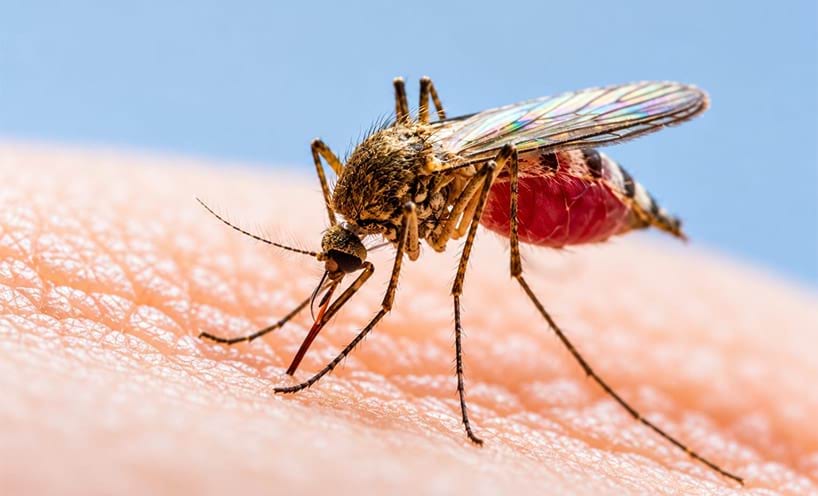
Warm and wet weather can result in greater numbers of mosquitoes and an increased risk of illness from mosquito bites.
It is essential that early childhood education and care services take steps to protect children and staff from mosquito-borne diseases. The most effective way is to avoid mosquito bites.
Breeding in stagnant water in warmer months, mosquitoes can transmit serious diseases, including Japanese encephalitis, Ross River virus and Murray Valley encephalitis.
Actions services can take to protect staff, families and children:
- make mosquito protection part of getting ready to go outside, just like sunscreen and a hat
- dress children in long, loose-fitting, light-coloured clothing to reduce skin exposure when outdoors
- apply insect repellent that contains picaridin or DEET on exposed skin – both of which are safe for children over 2 months old. Apply repellent to your hands first, then gently rub onto the child’s exposed skin.
- for babies, consider applying repellent to clothing or using mosquito netting over prams
- limit outdoor play during peak mosquito activity, especially at dawn and dusk avoid areas with stagnant water, such as ponds or uncovered containers, which are breeding grounds for mosquitoes.
- removing stagnant water from outdoor play areas and garden containers sealing rainwater tanks and cleaning gutters to prevent mosquito breeding
- consider installing and maintaining flyscreens on windows and doors
- use knockdown sprays or plug-in repellents in indoor and outdoor gathering areas.
Free Japanese encephalitis vaccines
Japanese encephalitis virus is spread to humans through bites from infected mosquitoes. It can cause a rare but potentially serious infection of the brain.
A free vaccine is available to eligible Victorians at higher risk of the virus.
For more information, including vaccine eligibility, refer to the Department of Health’s Japanese encephalitis webpage.
Resources and support
- Visit the Better Health Channel for translated resources, posters, and detailed disease information.
- Refer to the Royal Children’s Hospital guidelines for safe insect repellent use with children. For health concerns, visit their doctor or phone Nurse-on-Call: 1300 606 024 (available 24 hours).
Updated