

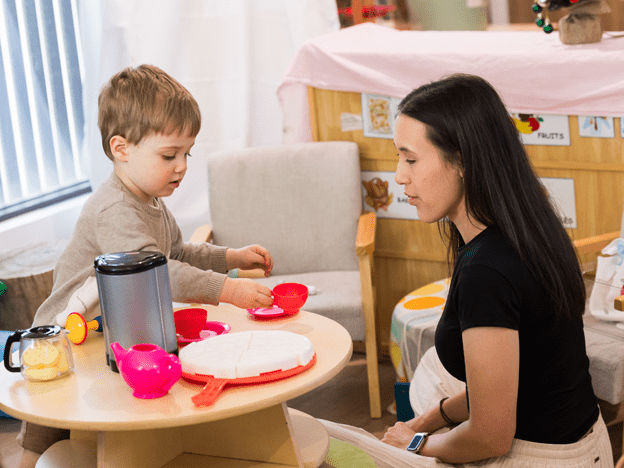
Child Safe Standard 3 – children and young people are empowered about their rights, participate in decisions affecting them and are taken seriously - recognises children are active participants in their own lives and their perspectives are valuable. Children communicate their thoughts, feelings, and preferences through their words, behaviours, play, and interactions.
When children are supported to participate in decisions that affect them, they develop a stronger sense of agency, belonging, and wellbeing. Early childhood education and care services must create environments where children understand their rights, feel confident expressing their views, and know adults will listen and respond appropriately.
Empowering children in this way is a key protective factor in preventing harm. Children who understand their rights and feel comfortable speaking up are more likely to raise concerns, seek help when needed and contribute to creating a positive and safe culture.
Services which actively seek out and respond to children's views are better able to identify risks, respond to concerns, and ensure children feel safe and supported.
To comply with CSS 3, all early childhood education and care services in Victoria must meet the following elements of the standard:
- Children are informed about all of their rights, including to safety, information and participation (3.1).
- The importance of friendships is recognised and support from peers is encouraged, to help children feel safe and be less isolated (3.2).
- Where relevant to the setting or context, children are offered access to sexual abuse prevention programs and to relevant related information in an age-appropriate way (3.3).
- Staff and volunteers are attuned to signs of harm and facilitate child-friendly ways for children to express their views, participate in decision-making and raise their concerns (3.4).
- Organisations have strategies in place to develop a culture that facilitates participation and is responsive to the input of children (3.5).
- Organisations provide opportunities for children to participate and are responsive to their contributions, thereby strengthening confidence and engagement (3.6)
What empowering children looks like for a service
An effective approach to CSS 3 includes creating meaningful opportunities for children to participate in everyday decisions, express their views, and contribute to their learning and wellbeing. Children's voices should be embedded within service culture rather than treated as a one-off activity or consultation process.
In practice, a compliant and effective approach to CSS 3 may include:
- teaching children about their rights, personal safety, body autonomy, and respectful relationships through age-appropriate experiences and discussions
- supporting children from diverse backgrounds, including Aboriginal children, children with disability, and children from culturally and linguistically diverse communities, to participate fully and express their views
- encouraging children to make choices about routines, learning experiences, play environments, and activities
- actively listening to children's views and showing them how their feedback influences decisions and practices
- using visual supports, stories, role play, and other age-appropriate strategies to help children understand how to seek help or raise concern and ensuring children know who trusted adults are and how they can approach them for support
- encouraging positive peer relationships and helping children develop skills to support one another and seek assistance when needed
- maintaining environments where children feel respected, included, and confident that their thoughts and concerns will be taken seriously.
What VECRA authorised officers consider when assessing compliance with CSS 3
During visits, VECRA authorised officers may:
- observe interactions between educators and children to assess whether children's voices are valued and respected
- observe whether children appear confident expressing their views and whether educators respond respectfully and appropriately
- review how the service ensures all children, including those with additional needs or diverse backgrounds, can participate and have their voices heard
- ask educators how they support children to understand their rights and participate in decisions
- review educational programs, observations, and planning documentation for evidence of children's voice and agency
- examine how children are supported to raise concerns or seek help if they feel unsafe or uncomfortable
- assess whether information about rights, safety, and help-seeking is accessible and appropriate for children's ages and stages of development
- assess whether children's feedback is considered in decision-making and service improvement processes.
More information and resources
Further guidance on CSS 3 is available from:
- Child Empowerment – VECRA
- NQF Child Safe Culture Guide – ACECQA
- Resources and support for the Child Safe Standards – CCYP
- What are children's rights and how do they apply in early education and care? – Community Early Learning Australia
Updated