

- Published by:
- Victorian Early Childhood Regulatory Authority
- Date:
- 31 Aug 2026
The VECRA newsletter is sent to all approved providers, services, key stakeholders and subscribers. It is open to anyone interested in the regulation of early childhood education in Victoria. Sign up to receive the newsletter.
Celebrate success this Early Childhood Educators' Day
Ahead of Early Childhood Educators' Day, VECRA acknowledges the work of the thousands of early childhood educators in Victoria.
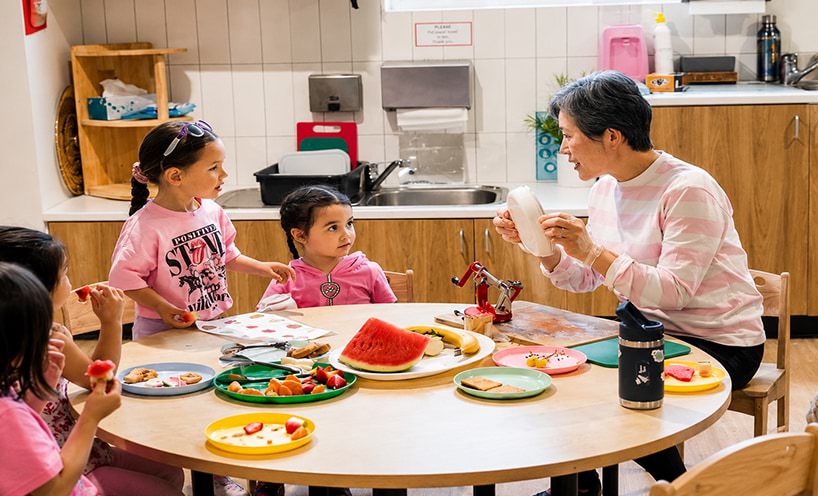
Wednesday 2 September is Early Childhood Educators’ Day, a time to celebrate and recognise the work of early learning educators across Australia.
VECRA acknowledges the work of the thousands of early childhood educators in Victoria who ensure the safety, rights and best interests of children every day.
This year’s theme is ‘The Future Starts With Us!’ which draws attention to how early childhood educators play a formative role in helping a child on their educational journey, and help and support children’s mental, physical and social development.
Through the work of our educators, Victoria continues to lead the nation in the proportion of ECEC approved services meeting or exceeding the National Quality Standard (96.2% compared to the Australian average of 92.3%).
The National Quality Standard (NQS) is an acknowledgement of the critical role of early childhood educators play through Quality Area 5, which focuses directly on relationships between educators and children, and the importance of ensuring interactions are responsive, respectful and promote a sense of security. ACECQA has some useful resources available on this topic.
Find out more at: Early childhood educators' day
New service approval timelines
If you’re planning to open a new service, you must allow at least 90 days for VECRA to assess your application.

When deciding to start operating a new service, there’s much to think about, from staffing to logistics, infrastructure and accommodation. It is critical that providers also schedule enough time for VECRA to assess a service approval application and to gather and provide all required documentation.
Making sure that your new service is ready to go, and has all the required approvals and assessments complete well ahead of opening, is vital in ensuring that services are safe and inclusive for all children.
VECRA needs a minimum of 90 days to assess and decide a ‘complete’ application for service approval. To meet this timeline, approved providers must provide all relevant documents in a timely manner and have their pre-approval inspection successfully completed.
It’s important to remember that if you don’t provide all required information as part of the assessment process, your application will be paused or may be invalidated.
Under National Law, an application is considered complete when the approved provider has:
- paid the required application fee through the National Quality Agenda IT System (NQA ITS) within the given time period, and
- provided all prescribed and requested documentation which may include a knowledge assessment where required during the provider approval application process
- completed a pre-approval inspection for a new service
A final decision on a service approval application will only be made once the application is complete with all prescribed and required documents submitted, it has been assessed, and the pre-approval inspection process has been satisfactorily completed.
VECRA will not be able to assess incomplete applications, so please make sure you carefully prepare your information in advance. If application fees are not paid by the due date, or you have not provided required documentation, your application processing timelines will lengthen. Failure to provide requested information within requested timeframes will result in the application being made invalid, and you will need to re-apply and pay a new application fee.
A new service’s proposed operation date is not guaranteed and is subject to the complete and satisfactory assessment of the application including the pre-approval inspection process.
Approved providers are responsible for managing their own building project timelines, and must ensure that both indoor and outdoor areas of the service premises are complete and comply with all requirements of the National Quality Framework before a pre-approval inspection can be arranged with an authorised officer. In is important that approved providers factor in building delays and modifications to service premises in their planning processes to address any safety or compliance concerns identified by VECRA Authorised Officers during pre-approval visit.
Applicants must hold provider approval and an occupancy permit in order for a service approval to be validated.
- Learn about approvals and operating an early childhood service at Becoming an early childhood provider
- For licensing and approvals enquiries email vecra.licensing@education.vic.gov.au
New sexual conduct notification now available in NQA ITS
Information on new notification requirements, and how to make VECRA aware of an incident.
The new sexual conduct notification, which came into effect on 12 August, further strengthens child safety practices by expanding the information available to VECRA to help identify potential risks to children early.
Approved providers must comply with this requirement by notifying VECRA within 24 hours of becoming aware of any sexual conduct committed against, with or in the presence of a child, by anyone working in or for their service. This includes any staff member or volunteer.
The new notification type expands reporting to VECRA to include sexual conduct by anyone working in or for the service that occurs outside of education and care services (for example, on the weekend or at a shop, park or restaurant).
How to notify
Approved providers can notify VECRA through the National Quality Agenda IT System (NQA ITS) provider portal. Select the ‘incident notification I01’ form and choose ‘Victoria only: notification of reportable sexual conduct’ from the dropdown menu.
For more information on this new requirement for Victorian ECEC services, visit VECRA’s When to notify us page.
Updated guide to the National Quality Framework
Stay up to date with the latest National Quality Framework guidance and key updates affecting education and care services, including Outside School Hours Care (OSHC) services, related providers and child safety.

The Australian Children’s Education and Care Quality Authority (ACECQA) has updated the Guide to the National Quality Framework (NQF), including new guidance for Outside School Hours Care (OSHC) services, revised information for related providers, updated information on fees, and strengthened child safety requirements.
The Guide supports providers and services to understand and apply the requirements of the NQF. It should be read alongside the Education and Care Services National Law and National Regulations, which take precedence over the guidance.
What has changed?
The update includes information reflecting strengthened child safety requirements under the NQF.
Approved providers, nominated supervisors, and educators should familiarise themselves with the latest guidance and update their current practices where necessary.
- new and updated Outside School Hours Care (OSHC) guidance under Section 3 – National Quality Standard and Assessment and Rating, to better support OSHC services through assessment and rating
- updated guidance on related providers and relevant NQF provisions
- updated fee information
OSHC services are encouraged to review the updated guidance in Section 3: National Quality Standard and Assessment and Rating.
Use the online Guide for the latest information
To ensure you are always referring to the most up to date version of the Guide to the NQF, ACECQA encourages all services and providers to use the online version Guide to the NQF for quick, easy, and current content.
Find out more
Child Safe Standard 4 – Families and communities are informed and involved in promoting child safety and wellbeing
This article provides information and guidance to help providers and educators implement best practice processes related to Child Safe Standard 4.

Child Safe Standard 4 (CSS 4) recognises that families and communities play a vital role in ensuring children's safety, rights, and wellbeing. Building strong and respectful partnerships with families helps create a culture of transparency, trust, and shared responsibility.
Parents, carers, and families have a unique understanding of their child. This includes valuable information about their strengths, abilities, interests, and challenges so the organisation can take this into account when engaging with the child. Early childhood education and care services must actively involve families in decisions that affect their children. Families should be informed about the service's child safety policies and expectations, understand how to raise concerns, and feel confident their voices will be heard.
Services should respect and acknowledge the diverse backgrounds, cultures, languages, and abilities of all families. Meaningful engagement ensures everyone has equitable opportunities to help create a safe environment.
Working with families and communities strengthens children's sense of belonging, improves communication, increases accountability, and builds extra protective factors for child safety.
To comply with CSS 4, all early childhood education and care services in Victoria must meet the following elements of the standard:
- Families participate in decisions affecting their child (4.1)
- The organisation engages and openly communicates with families and the community about its child safe approach and relevant information is accessible (4.2)
- Families and communities have a say in the development and review of the organisation's policies and practices (4.3)
- Families, carers and the community are informed about the organisation's operations and governance (4.4)
What successfully engaging families and communities looks like for a service:
In practice, a compliant and effective approach to CSS 4 involves developing partnerships with families and communities where communication is open, respectful, and ongoing.
This may include:
- providing families with ongoing access to accessible information about child safety policies, codes of conduct, and complaint procedures from enrolment onwards
- ensuring child safety information is available in accessible formats to meet the diverse needs of families
- supporting families in knowing how they can raise concerns or complaints, keeping families informed and ensuring these processes are managed respectfully, confidentially and without negative consequences
- encouraging families to provide feedback on policies, procedures and service practices through surveys, meetings, conversations, or advisory groups
- consulting with Aboriginal and Torres Strait Islander families, culturally and linguistically diverse communities, and families of children with disability to ensure practices are culturally safe, inclusive, and accessible
- maintaining respectful and responsive communication that supports collaborative relationships between educators and families
- regularly reviewing family engagement strategies to ensure they remain effective, inclusive, and responsive to community needs
What VECRA authorised officers consider when assessing compliance with CSS 4
During visits, VECRA authorised officers may:
- review enrolment information, family handbooks, and communication materials
- examine how the service informs families about Child Safe Standards, policies, complaints processes and reporting pathways and assess whether families understand these processes
- ask educators and nominated supervisors how families are encouraged to participate in decisions affecting their child and contribute to service improvement
- review evidence of family consultation during the development or review of child safety policies and procedures
- assess whether communication methods are accessible and appropriate for families from diverse cultural, linguistic, and social backgrounds
- examine how the service asks for and responds to family feedback, including how changes have been communicated back to families
- review how the service builds partnerships with local communities and organisations that support children's safety and wellbeing
More information and resources
Further guidance on CSS 4 is available from:
- Engaging with families about child safety – VECRA
- NQF Child Safe Culture Guide – ACECQA
- Communicating with families about children’s learning – ACECQA
- Resources and support for the Child Safe Standards – CCYP
- Engagement with Families (Tip Sheet) – Department of Education
- Practice Principle Guide - Partnership with families – Department of Education
Nationwide ban on baby bottle self-feeding devices
A permanent ban on baby bottle self-feeding devices, due to the risk of injury or death, is now in effect.
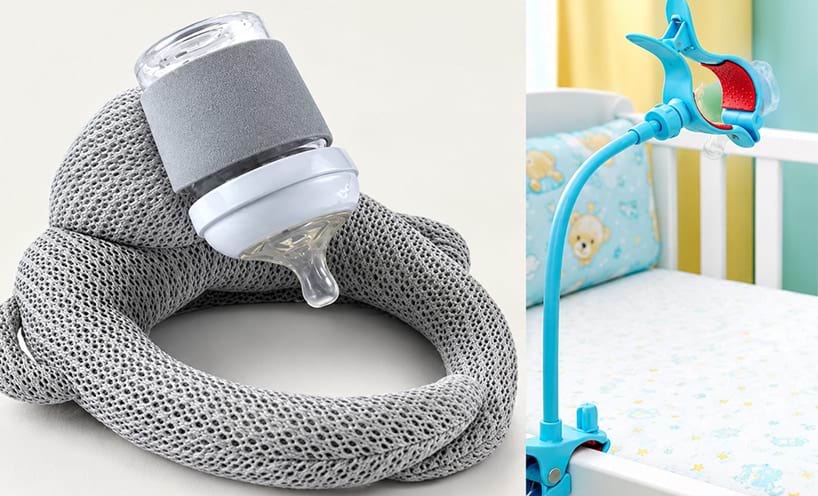
The Australian Competition and Consumer Commission (ACCC) has recently imposed a permanent nationwide ban on baby bottle self-feeding devices.
What are baby bottle self-feeding devices?
The ban applies to products that position a baby bottle, or bottle teat, so an infant can self-feed without another person holding the bottle or without adult supervision. Significant risks have been identified through the official investigation into the safety of these devices, including injury or death from choking, aspiration, or suffocation.
In early childhood education and care services, educators and all service staff working with children must not use or provide self-feeding devices when feeding an infant. It is dangerous to let an infant self-feed with a bottle unassisted or unsupervised. This includes propping the bottle up against cushions, or in the infant’s mouth with a blanket, pillow, or other object.
Educators must provide active supervision for infants at all times. Every educator is responsible for actively supervising children and communicating effectively with colleagues to ensure the adequate supervision of every child.
This ban aligns with mandatory compliance requirements under the National Quality Framework (NQF) and Education and Care Services National Regulations 2011 (National Regulations). Although the National Regulations do not specifically address infant feeding, it reinforces the importance of active supervision and risk management for infants across all care practices.
To promote and protect the health and safety of children in relation to this ban, services and educators must:
- ensure all children are adequately supervised at all times (section 165)
- take every reasonable precaution to protect children from harm and any hazard likely to cause injury (section 167)
- follow safety advice when using and arranging equipment, furniture and experiences from recognised authorities and manufacturers such as Kidsafe Australia and the Australian Competition and Consumer Commission guidelines (Quality Area 2)
- ensure food and beverages to be served on a regular basis throughout the day are appropriate to the needs of each child (regulation 78)
- always follow advice from recognised authorities including government safety advice, which advises to never prop a bottle and never leave an infant to feed unsupervised
For more information about the ban, please refer to:
Disability Standards for Education now include early childhood
New requirements under the Disability Standards for Education apply to early childhood education and care services.

Children living with disability have the right to access and participate in education on the same basis as children without disability. This includes reasonable adjustments being made where required.
From 1 August 2026 the Disability Standards for Education (DSE) now applies to approved early childhood education and care (ECEC) services which:
- administer Child Care Subsidy (CCS), or
- are legally required to deliver an education program based on an approved learning framework
Approved providers must comply with the DSE from the time a family seeks to enrol their child in a service. Once enrolled, the DSE will also apply throughout the child’s participation at the service.
Under the DSE, children with disability have the right to access and participate in education services on the same basis as children without disability, receive reasonable adjustments, and be protected from mistreatment.
Disability discrimination and the National Quality Framework (NQF)
The NQF promotes equity, inclusion and diversity across services with children’s rights, best interests and safety the paramount considerations when making decisions about the operation of the service. It refers to each, every, and all children, recognises children as capable and competent learners, and supports equitable access and participation.
What is disability discrimination in education and care?
Discrimination does not need to be intentional to be unlawful.
Disability discrimination occurs when a person with disability is treated less favourably than a person without a disability in the same or a similar situation or is unable to access and participate on the same basis as people without disability.
Discrimination under the Disability Discrimination Act 1992 includes direct discrimination, including failure to make reasonable adjustments and indirect discrimination.
Direct discrimination
Direct discrimination occurs when a person with disability is treated less favourably than a person without the disability would be treated in the same or similar circumstances.
Examples in early childhood education and care include refusing a child’s enrolment due to disability, excluding a child from excursions, or limiting a child’s participation in learning experiences.
Indirect discrimination
Indirect discrimination occurs when a rule or policy applies to everyone but disadvantages a person with disability because of their disability. Examples in early childhood education and care include requiring children to be independently toilet trained before enrolling, which may disadvantage a child with disability, including those with developmental delay.
Reasonable adjustments
Reasonable adjustments are changes that enable a child with disability to access, participate and use facilities or services on the same basis as children without disability, and balance the interests of all parties affected.
To learn more about what the expanded DSE means for ECEC approved providers, visit Disability rights and obligations.
Further information:
- ACECQA’s disability, rights and obligations induction package
- ACECQA’s disability rights and obligations team meeting package
- the Disability Discrimination Act 1992 (DDA)
- the Disability Standards for Education 2005 (DSE)
- the Education and Care Services National Law (the National Law)
- the UN Convention on the Rights of the Child
Planning for emergencies in early childhood services
Guidance on preparing your service to respond quickly and effectively to emergencies and keep children, staff and communities safe.
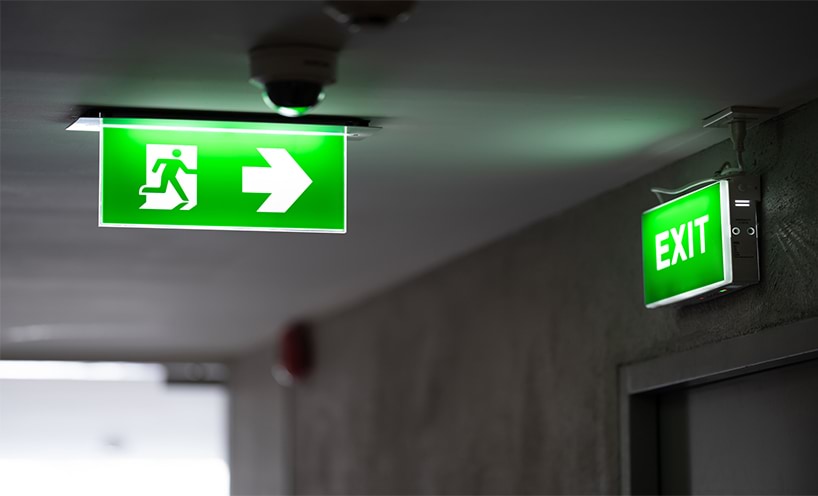
Emergencies can happen at any time. It is important for services to be prepared so they can respond quickly and keep everyone safe. All early childhood education and care services must have emergency policies and procedures in place.
These must include:
- instructions for what must be done in the event of an emergency,
- an emergency and evacuation floor plan, and
- reviewing and testing emergency plans every 3 months
Prepare for the 2026–27 high-risk weather season
Now is a good time to review your service’s emergency management planning and preparedness by:
- reviewing and updating your emergency and evacuation policy and procedures, or Emergency Management Plan, to reflect changes at your service
- undertaking joint planning and drills with any organisations or services that share your site
- confirming that your service approval shows the correct address, including the street number
- checking your service approval conditions and any requirements that apply to your service
- reviewing local emergency risks and recent incidents that may affect your service
- making sure staff know where to find current warnings and understand what action to take during an emergency
- notifying VECRA as soon as practicable if your service needs to close, particularly when an emergency has damaged the premises
Kindergartens are encouraged to read the Kindergarten Funding Guide for information on voluntary closures.
Check your bushfire risk (BARR) and grassfire (Category 4) risk
The Department of Education works with CSIRO to assess and manage bushfire risk for schools and early childhood services. For 2026–27, services have been assessed using a mapping tool and specialised guidance developed for Victorian education facilities using current national and state bushfire data.
- Services assessed as being at the highest risk of bushfire are placed on the Bushfire At-Risk Register (BARR) (Categories 0, 1, 2 and 3).
- Services assessed as being at some risk of bushfire or grassfire are listed as Category 4
Newer approved services may not yet appear online as part of this annual review. If you are not on the websites above, check your service approval conditions (you can find these by searching the ACECQA website). Always follow your service approval conditions.
Family day care services
While family day care services are not individually assessed for bushfire or grassfire risk and are not included on the BARR or Category 4 list, approved providers must:
- assess the fire danger risk for educators and children attending FDC residences and venues
- take appropriate steps to manage identified fire risks
The CFA provides information and resources to help assess and manage bushfire and grassfire risk.
Emergency management resources
You should use reliable emergency information sources and make sure staff know how to access them. Useful resources include:
- Victoria State Emergency Service (VICSES) – local floods, storms and other emergency information and educational resources.
- Bureau of Meteorology (BOM) – weather forecasts and warnings.
- Australian Fire Danger Rating System (AFDRS) – daily fire danger ratings and information for your fire weather district.
- Emergency+ app – GPS location information to assist when contacting emergency services.
- VicEmergency app – current Victorian warnings and incidents, preparedness information and watch zones
Further guidance
Information about H5 bird flu in Victoria
Find out what you must do if a sick or dead bird is found at your service.
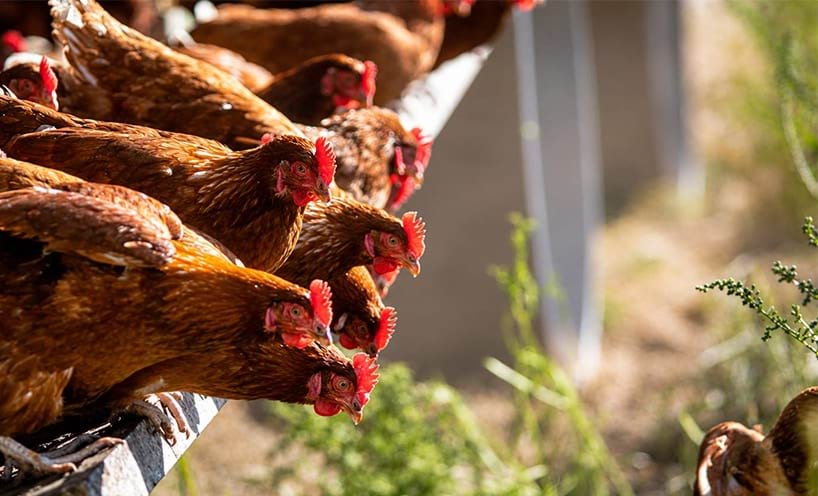
Cases of H5 bird flu have been confirmed in birds across Australia, including in Victoria.
Agriculture Victoria regularly updates information about the status of H5 bird flu, however everyone can play a part to prevent its spread, including knowing what you should do if a sick or dead bird is found at or near an early childhood education and care service.
For current information on bird flu in Victoria refer to Agriculture Victoria’s H5 bird flu page. The Australian Government also has a dedicated Bird Flu page with useful resources.
What are the risks?
The current risk of bird flu to people in Australia is low. Bird flu is not a food safety risk for chicken meat and eggs if they are handled and cooked correctly.
Sick or dead birds at or near a service
If sick or dead birds, or other wildlife, are found at or near an early childhood education and care service, you must:
- avoid contact with the animal or its environment. Ensure staff and students do not touch sick or dead birds or wildlife
- record date, time, location and take photos
- report it using the online form or call the Emergency Animal Disease Hotline on 1800 675 888 and follow their instructions
Services with chickens or other birds onsite
Services with chickens or other birds onsite should:
- keep feed and water away from wild birds
- keep your birds away from dams, ponds and wild bird areas
- use netting, roofing or fencing where practical
- wear clean boots and clothes when entering poultry areas
If you notice something unusual in your chickens or other birds, it is always a good idea to talk to your local vet or call the Emergency Animal Disease Hotline on 1800 675 888.
- H5 bird flu - Agriculture Victoria
- Bird flu resources - Australian Government Department of Agriculture, Fisheries and Forestry
Hand hygiene in winter – be a Soapy Hero!
The ‘Soapy Hero’ pack is a new resource to help make learning about hand hygiene fun.

Hand hygiene is important to minimise the spread of infectious disease. We know that keeping hands clean is one of the best ways to keep winter germs at bay.
The ‘Soapy Hero’ pack is a new resource to help make learning about hand hygiene fun. It has been developed by the Better Health Channel and encourages children to become hand washing superheroes. It has a fun video (with a catchy tune), a printable poster with simple graphics, colouring sheets and even a certificate.
Find out more and download the resources: Be a Soapy Hero!