

- Published by:
- Victorian Early Childhood Regulatory Authority
- Date:
- 29 May 2026
The VECRA newsletter is sent to all approved providers, services, key stakeholders and subscribers. It is open to anyone interested in the regulation of early childhood education in Victoria. Sign up to receive the newsletter.
Child Safe Standard 2 - Embedding child safety and wellbeing
This article provides information and guidance to help providers and educators implement best practice processes related to Child Safe Standard 2.
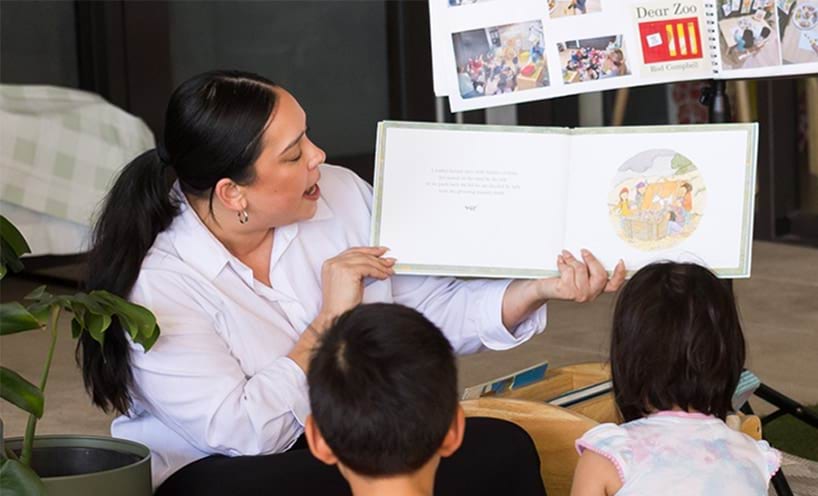
Creating and sustaining a child-safe culture begins with strong, visible leadership. In early childhood education and care services, leadership is not limited to the approved provider or nominated supervisor, it is shared across educators, coordinators, and anyone with responsibility for decision-making. When child safety and wellbeing are embedded into governance and everyday practice, they become more than a compliance requirement; they shape the values, behaviours, and expectations of the entire service community.
A strong organisational culture prioritises the rights, safety, and best interests of children in all aspects of service delivery. Leaders set the tone by modelling respectful relationships, responding proactively to risks, and ensuring that child safety is central to planning, policies, and daily interactions. When leadership consistently reinforces these priorities, educators and staff are empowered to act in the best interests of children with confidence and accountability.
Child Safe Standard 2 (CSS 2) is not just about leadership structures but about creating a culture where child safety is visible, lived, and prioritised in every decision, every day.
To comply with CSS 2, all early childhood education and care services in Victoria must, at a minimum, ensure that they comply with all elements of the standard:
- The service makes a public commitment to child safety (2.1).
- A child safe culture is championed and modelled at all levels of the service from the top down and bottom up (2.2).
- Governance arrangements facilitate implementation of the child safety and wellbeing policy at all levels (2.3).
- The service’s code of conduct provides guidelines for staff and volunteers on expected behavioural standards and responsibilities (2.4).
- Risk management strategies focus on preventing, identifying and mitigating risks to children (2.5).
- Staff and volunteers understand their obligations on information sharing and record keeping (2.6).
What should a service’s approach to CSS 2 look like?
In practice, a compliant and effective CSS 2 approach might include (but not be limited to):
- leaders, such as the approved provider and nominated supervisor, clearly articulating their commitment to child safety through service values, strategic plans, and daily decision-making.
- embedding child safety as a standing agenda item in leadership and team meetings, ensuring it remains a consistent focus for discussion, reflection, and improvement.
- allocating clear roles and responsibilities for child safety, including identifying a Child Safety Officer or equivalent role to support implementation and oversight.
- ensuring governance structures (e.g. management committees) actively monitor child safety practices, risks, and compliance with the Standards.
- modelling respectful, inclusive, and professional behaviour in all interactions, reinforcing expectations outlined in the code of conduct.
- reviewing the induction process, and ongoing supervision of staff and volunteers to promote understanding of the service’s child safety and wellbeing policy.
- providing regular professional learning opportunities that strengthen educators’ understanding of child safety, reportable conduct, and their responsibilities under legislation.
- encouraging a culture where staff feel safe to raise concerns, ask questions, and report risks without fear of blame or retribution.
- linking child safety priorities to quality improvement planning processes, ensuring continuous review and development.
What the Regulatory Authority will look for when assessing compliance with CSS 2
During visits, the Regulatory Authority may:
- speak with approved providers, nominated supervisors, and educators about how leadership promotes and maintains a child-safe culture
- review governance structures and documentation (such as meeting minutes or quality improvement plans) to see how child safety is prioritised and monitored
- observe interactions between staff and children to assess whether respectful, safe, and inclusive practices are consistently modelled
- ask how leadership supports educators to understand and meet their child safety responsibilities
- examine how risks to child safety are identified, escalated, and managed at both operational and governance levels
- assess whether child safety is embedded into everyday decision making, rather than treated as a standalone or occasional focus.
Questions to help early childhood education and care services reflect on current practice
Ongoing reflection helps strengthen leadership and ensures child safety remains central to service culture. Consider:
- do leaders consistently model and communicate a strong commitment to child safety and wellbeing?
- how is child safety embedded into governance processes, such as meetings, planning, and risk management?
- do educators feel confident and supported to raise concerns about child safety?
- are roles and responsibilities for child safety clearly defined and understood across the service?
- how is a positive, open, and accountable culture fostered among staff and leadership?
- in what ways is child safety reflected in the service’s philosophy, policies, and daily practices?
- are there risk management plans in place to prevent, identify and mitigate risks to children in care?
- how are continuous improvement processes used to strengthen child-safe culture over time?
More information and resources
Further guidance on CSS 2 is available from:
- NQF Child Safe Culture Guide | ACECQA – ACECQA
- Child safety and wellbeing – Department of Education
- Resources and support for the Child Safe Standards – Commission for Children and Young People (CCYP) including:
- short guide to the Child Safe Standards
- information sheets
- plain language Child Safe Standards resources
- translated resources – into 20 community languages
- on demand videos .
- Child Safety Risk Management Resources | National Office for Child Safety- National Office for Child Safety
Keeping healthy, safe and well in the colder months
Helpful information on keeping healthy as winter arrives.

As winter approaches, early childhood services can play a critical role in maintaining the health, safety and wellbeing of both children and educators.
Seasonal risks, such as increased transmission of infectious diseases including influenza, respiratory viruses and COVID-19, require proactive planning and consistent implementation of health and safety practices.
This article outlines key considerations for services, aligned with legislative obligations under the National Quality Framework (NQF), National Law and Regulations, and current public health guidance.
Staying well this winter
Under Quality Area 2 of the National Quality Standard – Children’s Health and Safety, services must take reasonable steps to minimise the risk of harm, injury or infection. Services and educators should review, implement and reinforce health and safety policies and procedures.
Services and staff can take simple, proactive steps to help reduce the spread of illness across your service, including:
- staying up to date with recommended vaccinations, including the annual flu vaccine
- encouraging children and staff to wash their hands regularly.
- promoting respiratory hygiene (covering coughs and sneezes).
- ensuring good ventilation in indoor spaces.
- supporting staff and children to stay home when they are unwell.
Flu can be serious for young children. The Australian Centre for Disease Control reports that RSV remains a leading cause of hospitalisation in infants.
Read more about Staying healthy: Preventing infectious diseases in early childhood education and care services (NHRMRC) current edition.
Find out more
For more information about staying well this winter, refer to:
- Better Health Channel – Don’t Risk the Flu campaign with translated resources, influenza and other vaccine information
- Better Health Channel – RSV vaccine for mothers and infants.
Closing soon: authorised officer recruitment
Join VECRA to help monitor the sector and protect child safety.

This article has been updated since it was first published to reflect additional roles and an extended application deadline.
Join VECRA to help monitor the sector and protect child safety.
VECRA is currently recruiting for multiple authorised officers across Victoria, with the closing date for applications extended to Wednesday 10 June.
Authorised officers play a key role in improving child safety in early childhood education and care services by monitoring compliance, conducting quality, assessment and rating visits, and undertaking investigations.
Multiple opportunities are available for highly motivated individuals with strong attention to detail and a passion for meaningful work to support VECRA with the compliance and quality assessment of ECEC services.
The roles suit highly motivated individuals with strong attention to detail, a passion for meaningful work and skills in problem solving, critical thinking, communication and stakeholder management.
While you will ideally have experience in compliance, investigations or working in an early learning environment with a deep understanding of the legislation and National Quality Framework, this is not essential. Candidates with suitably transferrable skills will be considered and are encouraged to apply.
Keep up to date with VECRA
Updates on our enforcement activities, key announcements, and insights.
Did you know VECRA is on LinkedIn?
Following VECRA’s page is an easy way to stay informed about our work, share knowledge, hear directly from the regulator, and keep your organisation aligned with the latest regulations
We also post updates on our enforcement activities, key announcements and insights.
Ensuring best practice screening and recruitment
Robust child-safe recruitment, screening, induction and employment processes are critical to keeping children safe.
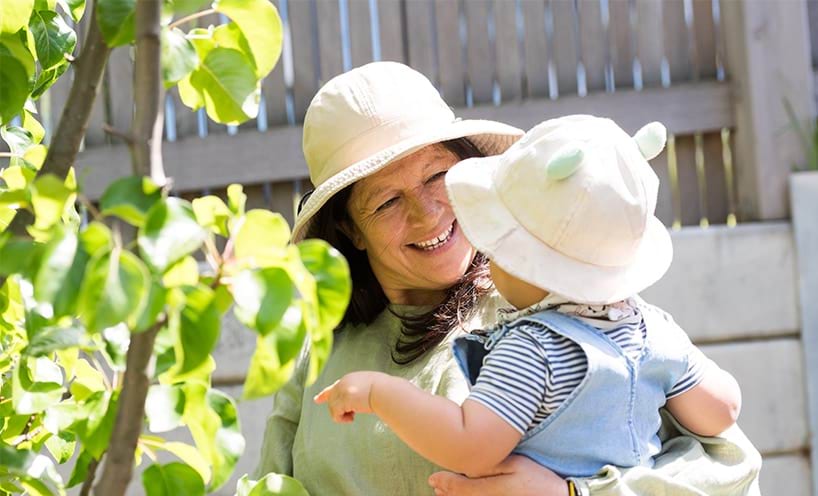
The best way to prevent child harm and abuse in early childhood education and care services is to ensure that every person has been properly vetted before they start working in a service. Careful reference checks with previous employers, vetting of qualifications and making sure Working with Children Checks are valid will minimise the risk of unsafe and unsuitable people working in early childhood services.
Child Safe Standard 6 requires approved providers to ensure that people working with children and young people are suitable and supported to reflect child safety and wellbeing values in practice.
All early childhood services in Victoria are required to follow best practice recruitment and induction processes so new staff, casuals, labour-hire, volunteers and students are suitable to work with children, and are supported to embed a child-safe culture and practices. The safety, rights, and best interests of children must be the paramount consideration in all recruitment decisions.
Approved providers and service leaders should also ensure staff involved in recruitment have the skills, knowledge, and capability to undertake child-safe recruitment and understand their safeguarding responsibilities and obligations.
Child safety must be considered at each stage of the recruitment process, including:
- recruitment planning, developing position descriptions and advertising
- panel arrangements, assessment of applications and interviews
- pre-employment screening, work history and reference checks, including prohibition and National Early Childhood Worker Register checks
- ensuring a valid Working with Children Check
- induction, training and probation
- ongoing supervision and support, including performance management.
Recruitment practices should also clearly demonstrate the service’s commitment to child safety to applicants, families and the broader community and contribute to a visible child-safe culture.
VECRA expects services to develop and maintain robust child-safe recruitment and induction records, including evidence of how new staff, casuals, labour-hire personnel, volunteers and students are supported to understand the service’s recruitment processes, code of conduct, child safety responsibilities and role expectations.
As well as the National Register, VECRA will be focusing on making sure employers meet this requirement. As part of our monitoring, compliance and assessment and rating visits, we will be assessing how services are reflecting and strengthening best practice recruitment and induction.
There will be further resources and guidance provided in the coming months to support providers in understanding best practice recruitment and induction.